Merging Payment Security Layers with Incentive Delivery Systems for Mobile No-Registration Casinos
Ines Walter · Sep 6, 2026
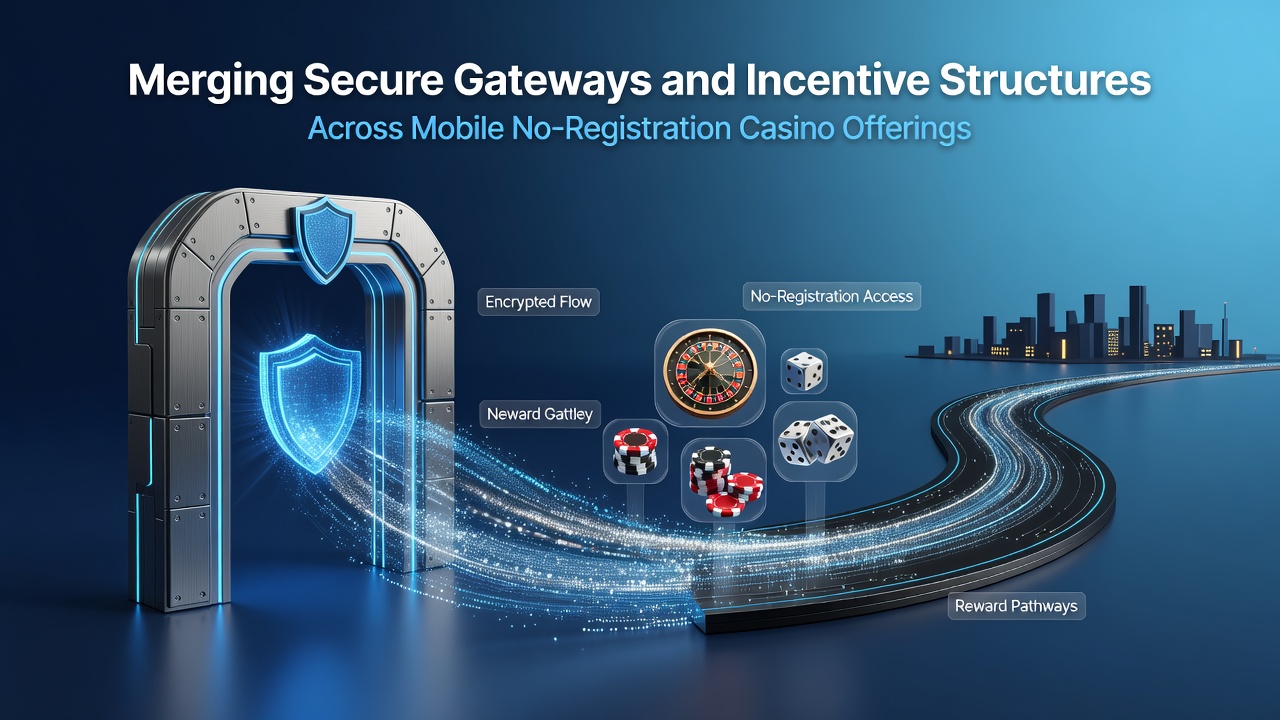
Merging Payment Security Layers with Incentive Delivery Systems for Mobile No-Registration Casinos
Payment security layers now connect directly to incentive delivery systems in mobile no-registration casino environments, where instant access depends on encrypted transaction pathways that activate bonuses without requiring user accounts. Data from industry reports show that these merged frameworks handle deposits, reward triggers, and withdrawals through single-session protocols that maintain compliance across multiple jurisdictions.
Core Components of Integrated Gateway and Reward Systems
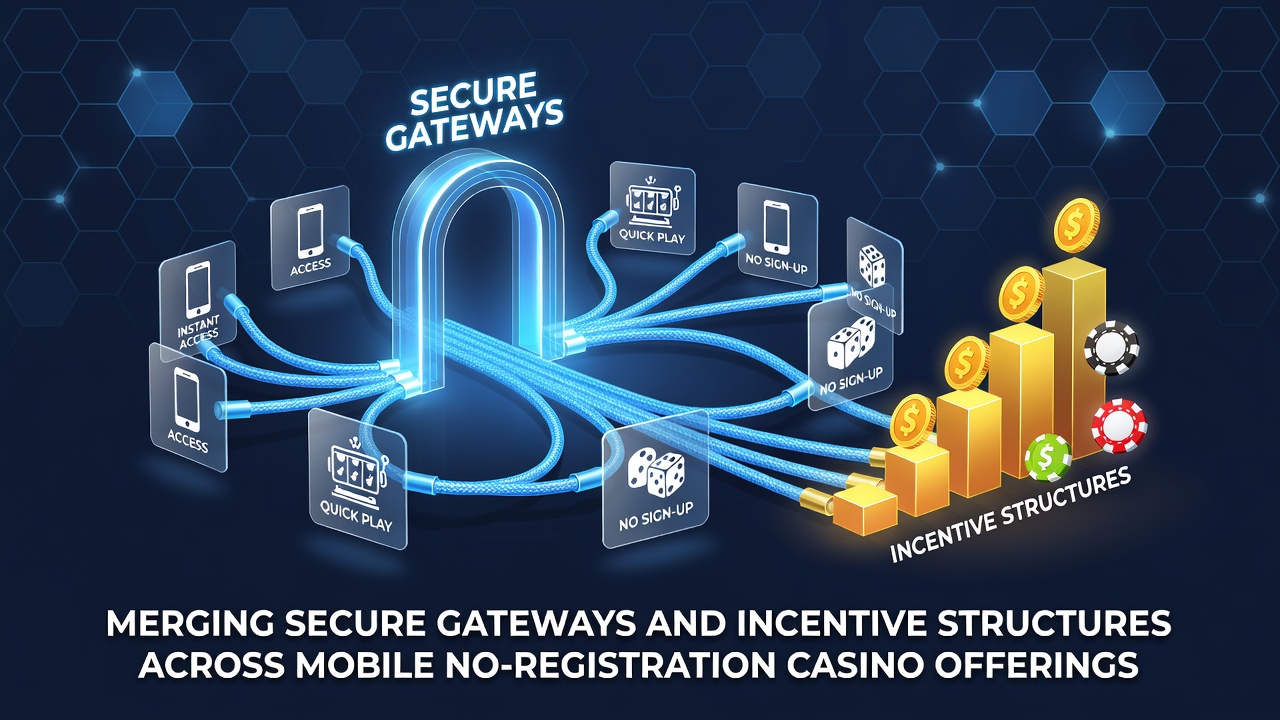
Secure gateways operate as the entry point for funds movement while simultaneously feeding data into reward engines that calculate and distribute incentives in real time. Researchers at academic institutions tracking digital gaming patterns note that this dual function reduces latency between deposit confirmation and bonus activation, allowing players to access matched funds or free spins within the same mobile session. Encryption standards such as tokenization and end-to-end protocols protect each step, yet the architecture also logs incentive eligibility without storing personal identifiers.
One study revealed that platforms employing these merged structures report higher session completion rates because the technical barriers between payment authorization and reward distribution have been minimized through API-level connections. Observers note that incentive structures in these environments often rely on behavioral triggers, such as deposit frequency or game type selection, which the gateway captures and routes to the bonus engine without additional user input.
Technical Mechanisms Driving the Integration
Developers implement unified ledgers that record both financial transactions and reward accruals in parallel streams. This approach means that when a mobile user initiates a deposit through a secure gateway, the system simultaneously evaluates predefined criteria for incentive eligibility and applies the appropriate credit. Figures from European gaming associations indicate that such parallel processing cuts the average time from deposit to playable balance by significant margins compared with older segmented systems.
Device-level security features, including biometric verification and hardware-backed keystores, further support the merged model by confirming transaction authenticity without creating persistent accounts. In September 2026, updates to mobile operating system security frameworks prompted several providers to refine their gateway-to-reward pipelines, ensuring continued compatibility while preserving the no-registration model.
Regulatory Context and Compliance Patterns
Regulatory bodies in different regions set distinct requirements for how payment data and reward information may be linked. The Pennsylvania Gaming Control Board outlines rules that permit real-time incentive calculations provided that transaction logs remain auditable and anonymized where possible. Similar guidance appears in Australian regulatory materials, which emphasize that merged systems must isolate financial records from marketing databases even when both functions share the same technical infrastructure.
Industry organizations such as the European Gaming and Betting Association track how these merged architectures affect responsible gaming tools. Data shows that reward activation tied directly to gateway activity allows operators to implement spending limits at the point of deposit, creating an additional layer of control without requiring separate account management steps.
Case Examples from Current Implementations
Take one provider that synchronized its gateway with a dynamic reward engine across multiple live dealer and slot titles. The system evaluates each deposit against a set of incentive rules and applies credits instantly, while the same gateway processes withdrawal requests that automatically adjust for any active bonuses. Those who have examined these deployments find that error rates in reward application drop when the two functions share a common data pipeline rather than operating through separate modules.
Another implementation in the Asia-Pacific region links secure payment rails to loyalty multipliers that scale with transaction size. Researchers documented that this structure encourages repeat deposits within short timeframes because the incentive calculation occurs within the same secure session, eliminating the need for users to navigate additional menus or verification flows.
Future Directions in Gateway-Reward Convergence
Continued refinement of these merged systems focuses on expanding compatibility with emerging payment methods while maintaining the core security and incentive linkage. Reports from research institutions highlight ongoing work on zero-knowledge proofs that could verify both transaction legitimacy and reward eligibility without exposing underlying data. As mobile device capabilities advance, observers expect further compression of the time between secure gateway approval and incentive availability.
Conclusion
The integration of payment security layers with incentive delivery systems continues to shape mobile no-registration casino offerings through technical convergence and regulatory alignment. Evidence from multiple jurisdictions demonstrates that platforms adopting these merged approaches achieve efficient transaction and reward flows while meeting compliance standards. As September 2026 developments illustrate, ongoing adjustments to security protocols ensure the model remains viable across evolving device and payment landscapes.